اطلاعیه مهم

توجه: از این پس ما را در آدرس جدیدمان در بلاگ بیان دنبال کنید

استادان علیه تقلب :: pap.blog.ir

۱۳۸۷ شهریور ۱۶, شنبه

تبعات تقلب مقاله از دانشگاه آزاد واحد گرگان


---
On Thu, 9/4/08, shahin ghafari wrote:
From: shahin ghafari
Subject: Fwd: Scientific Plagiarisms (Iranian Version)
To: Date: Thursday, September 4, 2008, 8:42 AM

Dear all,
This may not look too much related to this group, but because these kind of plagiarisms are embarrassments to all scientists I decided to share this news with you.

I received an email from an academic fellow in CSIRO (Canberra, Australia) that two Iranian academics (Mohammad Reza Dadashi ,Islamic Azad University Gorgan Branch, and Ali Reza Ahmadzadeh, Islamic Azad University Shabester Branch) have re-published the paper of eminent Dr. John Passioura (CSIRO, Canberra, Australia)(attachment no. 1) as their own work in two different journals (attachments no 2 & 3).

These two fake publishing are 100% similar to the original paper and they have just changed the names (compare the attachments).

Now the journal that published the original paper is following up this matter trough legal channel. But the community of Iranian scientists and students here in ANU and CSIRO is so upset and embarrassed of this nonsense action.

Unfortunately, Mohammad Reza Dadashi is holding an official post in the university along with his academic position !!!

Iʼm sure almost all of the Iranian scientists are against these plagiarisms and are working hard and honestly to put the country in a scientific position deserves it, but also they are responsible to block all the ways that a small minority of opportunists trying to neutralise their efforts.

It would be greatly appreciated if you circulate this to all your academic friends, so this would be the last time we hear such a shameful news.

Thanks for your time.
Hooman Salari
ANU

۱۳۸۷ شهریور ۱۵, جمعه

How the names of authors must appear in a paper?

First of all, I apologize for writing in English, because my Linux machine has not Persian fonts yet.

I sometimes hear from my students that their teachers/professors/supervisors force them to put the student's name at the bottom of the list of authors of a paper, which has been prepared mainly by the student. This is an illegal and unethical action:

1. The author/co-author of a paper is a person who has significant contributions to the paper. Proposing the main idea of a research does not imply that the name of the proposer (whoever s/he may be) must appear as an author. Such a person must be acknowledged in the closing section of the paper.

2. If a student has done all calculations of a paper, and s/he has written the text, and if the text has gone little revision/editorial work, s/he can publish his/her results alone (single author).

3. A professor's name should appear in a paper only if s/he has done some parts of the calculations/research-work and has written the part of the paper that is related to her/his own contribution.

4. Some journals sort the names of authors alphabetically. Otherwise, the least a person has contributed to a paper, the lowest place his/her name appears in the list. A supervisor has no right to put his name as the first author unless s/he has done the major part of that work (calculations+simulations+writing).

5. Providing the research grant (even if this is done by the supervisor) should only be acknowledged at the end of the paper: bringing a grant does not imply authorship.

6. Putting the name of an honorary author is not ethical. This is unfortunately a common behavior in our university so that a professor puts the name of an administrator in his paper just to honor him. This is unethical and has angered our students.

Please be careful that our actions are judged by students. They are neither slaves nor our work-force. They are the next generation of a society that we all live in. They behave as they are trained. So, put them on a track.

Note: The comments posted by readers include more useful criteria.

جستجو برای راهکارهای عملی

همه ما بارها شاهد نمونه های بسیاری از موارد تقلب در محیط دانشگاه و در تولید محصولات علمی و پژوهشی بوده ایم و گاهی مثل خود من داور مقالاتی شده ایم که از خودمان دزدیده اند!
به نظر من رعایت اخلاق علمی تنها محدود به عدم تقلب در نوشتن مقاله، پایان نامه، تمرین کلاسی و نظایر اینها نیست بلکه بسیار گسترده تر است برای نمونه:
- همین که یک استاد به خود اجازه دهد از اسلایدهای موجود در اینترنت و یا تهیه شده بوسیله یکی از همکارانش در کلاسهای درس بدون ذکر منبع و تنها با جایگزین کردن نام خود بجای نام تهیه کننده استفاده کند، نوعی تقلب است. تقلبی که متاسفانه گرچه بسیار شایع است، کمتر موردتوجه قرار می گیرد و بعضا حق مسلم فرد دانسته می شود.
- اینکه در بسیاری دانشگاه ها بدون توجه به قانون کپی رایت براحتی کتب درسی برای دانشجویان کپی می شود و دراختیار آنها قرار می گیرد، خلافی است که کم کم وجهه قانونی پیدا کرده است.
- عدم اشنایی دانشجویان و برخی اساتید (و یا آشنایی غلط) با قوانین انتشار عمومی مثلا کنو باعث می شود یک نرم افزار متن باز به عنوان یک محصول تجاری و اختصاصی ارائه شود !
و موارد بسیاری نظیر اینها که من شخصا برای تک تک آنها مثال زنده دارم و در اکثر آنها گناه استاد اگر بیشتر از دانشجو نباشد کمتر از او نیست.
من فکر می کنم اگر بنا باشد در این وبلاگ ما داستان های تقلبی را که شاهد بوده ایم نقل کنیم برای سالها داستان کم نمی آوریم و تا وقتی این داستان ها بدون ذکر نام متقلب بیان شوند هم ضرری برای کسی ندارند شاید قبل از ادامه راه لازم باشد یکبار دیگر مرور کنیم برای چه گرد هم آمده ایم و چه انتظاری از ایجاد چنین تشکلی داریم. تهیه منشور اخلاق علمی و پایبندی اعضاء وبلاگ به آن و تلاش در جهت گسترش آن در سطح دانشگاه ها و ایجاد دوره های آموزش اخلاق علمی به دانشجویان و اساتید فعالیت های مفیدی هستند که گرچه لازمند اما کافی نیستند ما نیازمند مقررات و بازوهای اجرایی هستیم که امیدوارم درادامه فراهم شوند مثلا پیشنهاد می کنم برگزارکنندگان کنفرانس انجمن کامپیوتر امسال از هم اکنون قواعدی برای مقابله با تقلب که در صورت کشف آن حتما اعمال شود وضع نمایند
شاید برگزاری یک کارگاه نیم یا یک روزه در این مورد و تعریف دقیق صورت مسئله و دریافت پیشنهادات برای حل آن نیز مفید باشد منشور مورد نظر می تواند به عنوان قطعنامه این نشست استخراج شود..،

۱۳۸۷ شهریور ۱۴, پنجشنبه

نهایت بی‌پروایی در تقلب

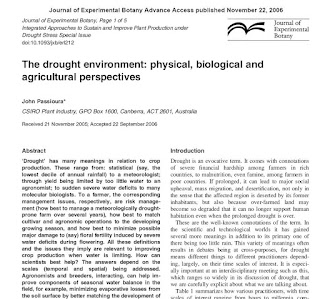
مقاله‌ی اصلی:


مقاله‌ی تقلبی ۱: (کپی برابر اصل!)

همان مقاله‌ی تقلبی، این‌بار با اضافه کردن یک همکار دیگر به عنوان نویسنده‌ی دوم و چاپ آن در یک مجله‌ی دیگر!


بر روی تصاویر کلیک کنید تا مقاله‌ی کامل را ببینید.

این خبرهم در این رابطه خیلی جالب است. ظاهرا نام‌برده معاون آموزشی دانشگاه آزاد واحد گرگان هستند. بخوانید.

فهرستی از مجلات کم ارزش

یکی از محصولات مفید این بلاگ میتواند تهیه‌ی فهرستی از مجلات یا کنفرانس‌هایی باشد که اکثر مقالات ارسالی را ظرف مدت کوتاهی قبول و چاپ میکنند. این فهرست را پس از تایید می‌توانیم‌ به‌صورت ثابت در حاشیه‌ی این بلاگ قرار دهیم.

در ابتدای لیست WSEAS قرار دارد که اعتبار چندانی برای آن باقی نمانده. این تشکیلات مقالات افراد را برای کنفرانس‌های متعددی که در سال در نقاط خوش آب و هوای جهان برگزار میکند (تا شاید موسسین این انجمن مجانی در آن‌ها شرکت کنند) دریافت میکند و ظرف چند هفته آن‌ها را بدون داوری جدی می‌پذیرد. البته برای چاپ هر مقاله پول خوبی هم (۸۰۰-۷۰۰ دلار) از نویسندگان میگیرد. بعد مجموعه‌ی مقالات خود را به اسم WSEAS Journal on.... چاپ میکند. من یادم هست که یکی از این «مجلات» بیش از ۱۳۰ مقاله داشت!

اخیراً هم از GESTS International Journal شنیده‌ام ولی اطلاعات زیادی از آن ندارم.

از میان کنفرانس‌ها IASTED هم به عنوان مجموعه‌ کنفرانس‌های بسیار ضعیف شناخته شده است. می‌دانم که دانشگاه شریف امتیازی به مقالات کنفرانس‌های این انجمن نمی‌دهد.

امید است به کمک شما خوانندگان این لیست تکمیل شود. این چنین مجلات یا کنفرانس‌ها را با لینک و دلایل خود در بخش نظرات اضافه کنید تا پس از بررسی در این فهرست اضافه شوند.

پ‌.ن: خوبست در مورد ویژگی‌های یک مجله‌ی «کم‌‌ارزش» یا کم اعتبار هم صحبت شود. به‌نظر من این مجلات همه ی این ویژگی‌ها را دارتد:
  • برای چاپ مقاله حتماً پول خوبی می‌گیرند،
  • در زمان کوتاهی (چند هفته تا ۳-۲ ماه) اکثر مقالات ارسالی را می‌پذیرند (این اطلاعات البته در اختیار همگان نیست)،
  • داوری‌ها بسیار کوتاه و در چند سطر هستند و بدون محتوای علمی،
  • impact factor آنها بسیار پایین است ،
  • نویسندگان مقالات آن‌ها اکثرا از کشورهای جهان سوم‌ (کشورهای عربی، ایران، ترکیه، چین، هند و ....) هستند. برخی از این نویسندگان مهارت فراوانی در کشف این‌گونه مجلات دارند! و
  • ناشر معروف نیست.
پ.ن ۲: ذکر این نکته هم ضروری است که داشتن مقاله در این مجلات به‌هیچ وجه به منزله‌ی خلاف از سوی اساتید نیست. در بسیاری از موارد دانش‌جو این مجلات را پیدا می‌کند و استاد (و شاید حتا خود دانش‌جو) از کیفیت آن‌ها اطلاع قبلی ندارند. شاید هم دیگرمقاله‌ای آن‌جا نفرستند. البته کسی با علم به کیفیت نازل این مجلات مکرراً در آن‌جا مقاله چاپ کند، وضعیت متفاوتی دارد.
در هر صورت تهیه‌ی این فهرست بیش‌تر برای کمیته‌های ارتقا و ممیزه‌ی دانشگا‌ه‌هاست تا امتیازی به مقالات این مجلات ندهند. مثلا ما در دانشکده‌ی خودمان در شریف اصلا امتیاز مقاله‌ی ژورنال (حتا پایین‌) به آن‌ها نمی‌دهیم و مواردی هم بوده که خود استاد پس از اطلاع از کیفیت این مجلات آن‌ها را در فرم ارتقای خود ذکر نکرده است.

اعتراف


من اعتراف می کنم که با اصلاح جزئی نوشته دیگران، با تصور اینکه تطبیق با اصل را مشکلتر می کند، تقلب کرده ام. این فرازی تلخ (نقل به مضمون) از اعترافی است که در IEEE Circuits and Systems Magazine چاپ شده است. متن کامل به شرح زیر است (با تشکر از پروفسور پرهامی که آنرا برایم ارسال فرموده اند):

THIRD QUARTER 2008 IEEE CIRCUITS AND SYSTEMS MAGAZINE 95
Apology

I am the lead author of the paper entitled, “LDPC Decoder: A Cognitive Radio Perspective for NeXt Generation (XG) Communication” which appeared in the 3rd quarter issue of the IEEE Circuits and Systems Magazine. I wrote this paper with a motive to introduce and survey cognitive radio, and to explore the possibility of implementing irregular LDPC codes on vector-threaded architectures. My idea was to use possible parallelism of LDPC codes on parallel vectorthreaded architecture.

To this end, I studied a paper entitled “Energy/Power Estimation for LDPC Decoders in Software Radio Systems”, authored by Chia-han Lee and Professor Wayne Wolf of Princeton University, which appeared in the IEEE-SiPS 2005 conference.

In this letter I admit to having plagiarized Lee and Wolf’s work and in order to obfuscate my plagiarism, I made minor modifications to the original work, which I thought would make it harder to trace the material back to the source.

I also wanted to highlight the role of LDPC decoders in next generation communication systems. With this motive, I inappropriately plagiarized some paragraphs from another work by Professors Ian Akyildiz, Won-Yeol Lee, Mehmet Vuran and Shantidev Mohanty, entitled “NeXt generation/dynamic spectrum access/cognitive radio wireless networks: A survey”, published in Computer Networks, Vol. 50, Issue 13, September 2006, Elsevier.

Throughout the process of development of my ideas, including doing the simulations, writing the paper, the paper’s revision and its final publication, I did not make my co-authors aware of existence of the above referenced papers; nor did I inform them about any possible influence or copying of Lee and Wolf’s work, or Ian Akyildiz et al.’s work (or, any other author’s work) on my own work. I acknowledge that my co-authors, Soumik Ghosh, Ashok Kumar, and Magdy Bayoumi were unaware of any plagiarism that my write-up or my simulations had from anywhere. Throughout the process, the VLSI research team believed that my write-up showed my own work. I take full responsibility and apologize for an act of academic dishonesty and inappropriate copying of someone else’s work.

Abu Baker
Lafayette, LA

Statement from the Co-Authors
We are deeply sorry for this violation, which occurred without our knowledge. We apologize to the original authors, the editors of the Circuits and Systems Magazine, the readers of the magazine as well as the IEEE community at large. We have been deeply hurt.

Soumik Ghosh
Ashok Kumar
Magdy Bayoumi
Digital Object Identifier 10.1109/MCAS.2008.923978 Lafayette, LA
VLSI research Group

۱۳۸۷ شهریور ۱۰, یکشنبه

نظر پروفسور پرهامی

بنام خدا- با توجه به نکاتی که در مجموعه Likes and dislikes وب سایت استاد فرزانه جناب آقای دکتر پرهامی دیده بودم نطر ایشان را در مورد این بلاگ جویا شدم. ایشان با اظهار تاسف از اینکه به ایجاد چنین بلاگی محتاج شده ایم موارد زیر را ابراز نمودند:

I had visited the website on "profs against plagiarism" upon receiving a message from Dr. Ghodsi. While it is a worthwhile cause, it is regrettable that such a site is needed at all. Today, I saw that an article by David Parnas has been posted there. In an ideal world, each person's research is evaluated based on technical content, contribution, and impact. The problem is that no two researchers would agree on these metrics for any given article, even assuming that you could find experts to comment on the work. Such an assessment is difficult, even in a country like the United States where there are many experts in any given subfield of computer science and engineering. So, counting articles does serve a useful purpose, at least as an initial or rough indicator. If someone has published only a handful of articles, then s/he should be classified as insufficiently active in research. On the other hand, publishing scores of articles is probably an indication of an active research program. It is the intermediate cases that pose a problem. This reminds me of teaching assessment through student surveys. Our university recognizes the shortcomings of such surveys and recommends that they be used only to flag ineffective faculty and to recognize very good teachers. Arguing over middle-of-the-road scores of 2.2 versus 2.5 is deemed inappropriate. In short, the surveys are not meant to place a total order on faculty with regard to teaching effectiveness. In the same way, counting articles should not be used as a total ordering mechanism. One final thought: I think that faculty should stop worrying about who is getting ahead by publishing in "easy" journals and focus on their own work and contributions. In the long run, effective researchers will be recognized. The reward of good research should be personal satisfaction that comes from discoveries and training of ethical students who will spread this style of work, rather than competition for monetary or other rewards.

Regards. ... B. Parhami

لینکی قدیمی اما هنوز جالب

در مورد داستان پذیرفته‌شدن یک مقاله‌ی تولیدی توسط یک نرم‌افزار است که یک سال و نیم پیش و تنها سه هفته پس از ارسال برای چاپ در مجله‌ی Applied Mathematics and Computation پذیرفته شد. این مجله که جزء مجلات «آی‌اس‌آی» است توسط Elsevier منتشر می‌شود.

لینک (اصل مقاله و توضیح دانش‌جویان را هم در انتها می‌توانید بخوانید)

این کار به عمد توسط تعدادی از دانش‌جویان دکتری شریف انجام شد تا نشان دهند که مجلات بی‌کیفیتی هم هستند که هر نوشته‌ای را چاپ می‌کنند.

ظاهرا عده‌ای با چاپ مقاله در همین مجله در ایران دکتری گرفته‌اند و کسانی با چاپ انبوهی مقاله در آن به عناوینی چون «محقق برجسته» دست یافته‌اند.

با جست‌وجو در سایت Mathscinet می‌توانید بسیاری از این اطلاعات را به‌دست آورید. در این بررسی به سهولت می‌توان هجوم برخی از ایرانیان برای چاپ در این مجله را دید.

ضمناً مقاله‌ی یاد شده چند ماه در سایت آن مجله‌ی آماده‌ی چاپ و به‌صورت آنلاین قابل دسترسی بود اما پس از مدتی برداشته شد.

آیا شمار این گونه مقالات می‌تواند جزیی از «شاخص‌ پیشرفت علم» در کشور باشد؟ در این رابطه این خبر در مورد رشد تولید علم در کشور خواندنی است.